Laying A Flagstone Path
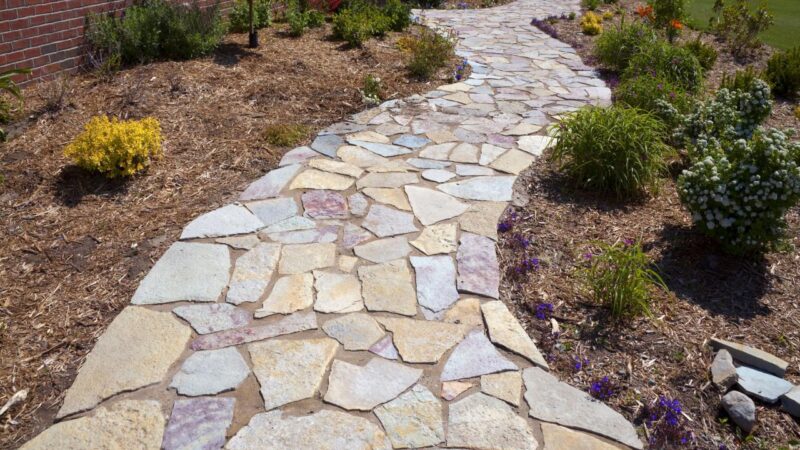
Laying a flagstone path transforms a simple backyard into a captivating landscape feature. This guide provides a step-by-step approach, from initial design considerations and site preparation to the intricacies of flagstone laying techniques and finishing touches. We’ll explore various design styles, material choices, and installation methods, empowering you to create a beautiful and durable path that enhances your outdoor space. Whether you prefer a formal, geometric design or a more natural, meandering pathway, this guide offers the knowledge and techniques to achieve your vision.
We’ll delve into the practical aspects of path construction, covering everything from ground preparation and base creation to the art of laying flagstones, including dry-laid, mortared, and combination methods. Learn about cutting flagstones, creating curves, and choosing the perfect border to complement your design. We’ll also discuss essential maintenance practices to ensure your flagstone path remains a stunning feature for years to come.
Planning & Design
Creating a flagstone path involves careful planning and design to ensure a beautiful and functional addition to your backyard. This section details the crucial steps in designing your path, from layout to material selection.
Flagstone Path Layout Design
For a small backyard, a 10-foot-long flagstone path with a gentle curve is both practical and aesthetically pleasing. The path could start with a 3-foot straight section, followed by a 5-foot curve, and end with another 2-foot straight section. This provides a balance between straight lines for easy walking and a curved section to add visual interest. The width of the path could be 2.5 feet, providing ample space for comfortable walking.
Materials List for a 10-Foot Path
The following is a materials list for a 10-foot long, 2.5-foot wide flagstone path. Quantities are estimates and may need adjustment based on flagstone size and specific design.
- Flagstones: Approximately 30-40 square feet of flagstone, depending on stone size and layout (consider 1.5-2 sq ft per stone). Select stones with varying shapes and sizes for a more natural look.
- Gravel Base: Approximately 1 cubic yard of crushed gravel for drainage and base stabilization.
- Sand Bedding: Approximately 0.5 cubic yards of landscape sand for a level surface.
- Landscape Fabric: Sufficient to cover the path area. Allow for overlap.
- Edging Materials (optional): Consider bricks, pavers, or timber for a defined edge. The quantity will depend on the chosen edging material and path length.
Flagstone Path Design Styles
Flagstone paths can be designed in various styles, ranging from formal to informal. Formal paths typically feature straight lines and uniform flagstone placement, creating a structured and symmetrical appearance. An example would be a straight path leading to a formal garden. Informal paths, conversely, employ curves, varying stone sizes, and a more natural look. A winding path through a woodland garden is an example of an informal design.
Creating a Scaled Drawing
A scaled drawing is essential for planning your path. Begin by measuring the existing landscape features, including existing plants, structures, and any other elements you want to incorporate into the design. Using graph paper or drafting software, create a scaled representation of your backyard. Then, sketch your desired path layout, paying attention to curves, straight sections, and the relationship to other landscape features. Use a consistent scale, such as 1 inch equals 1 foot, to ensure accuracy.
Site Preparation
Source: ytimg.com
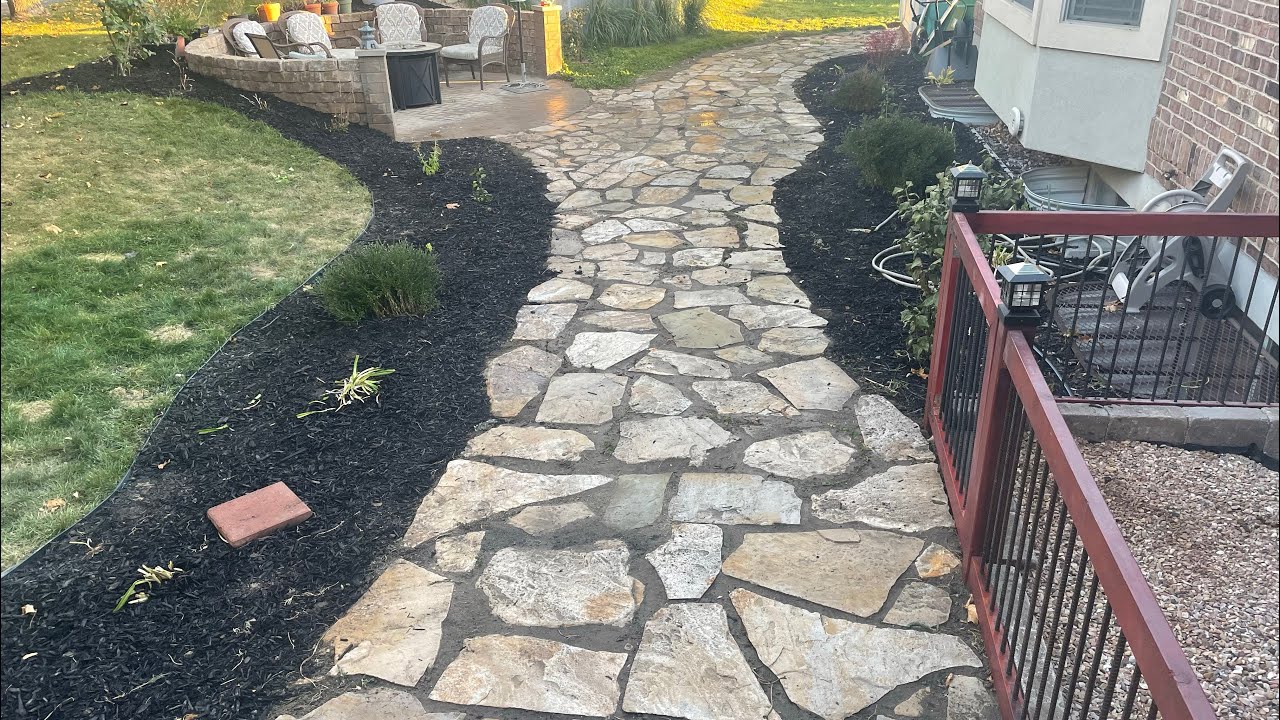
Proper site preparation is critical for a long-lasting and stable flagstone path. This involves clearing the area, leveling the ground, and creating a well-drained base.
Clearing and Leveling the Ground
Begin by removing any existing sod, vegetation, and debris from the path area. Use a sod cutter or shovel to remove the sod, ensuring you remove it to a depth of at least 4-6 inches. Remove any rocks, roots, or other obstacles that could interfere with the path construction. Level the ground using a rake and shovel, aiming for a consistent surface. A slight slope away from structures is beneficial for drainage.
Soil Compaction, Laying a Flagstone Path
Source: hirerush.com
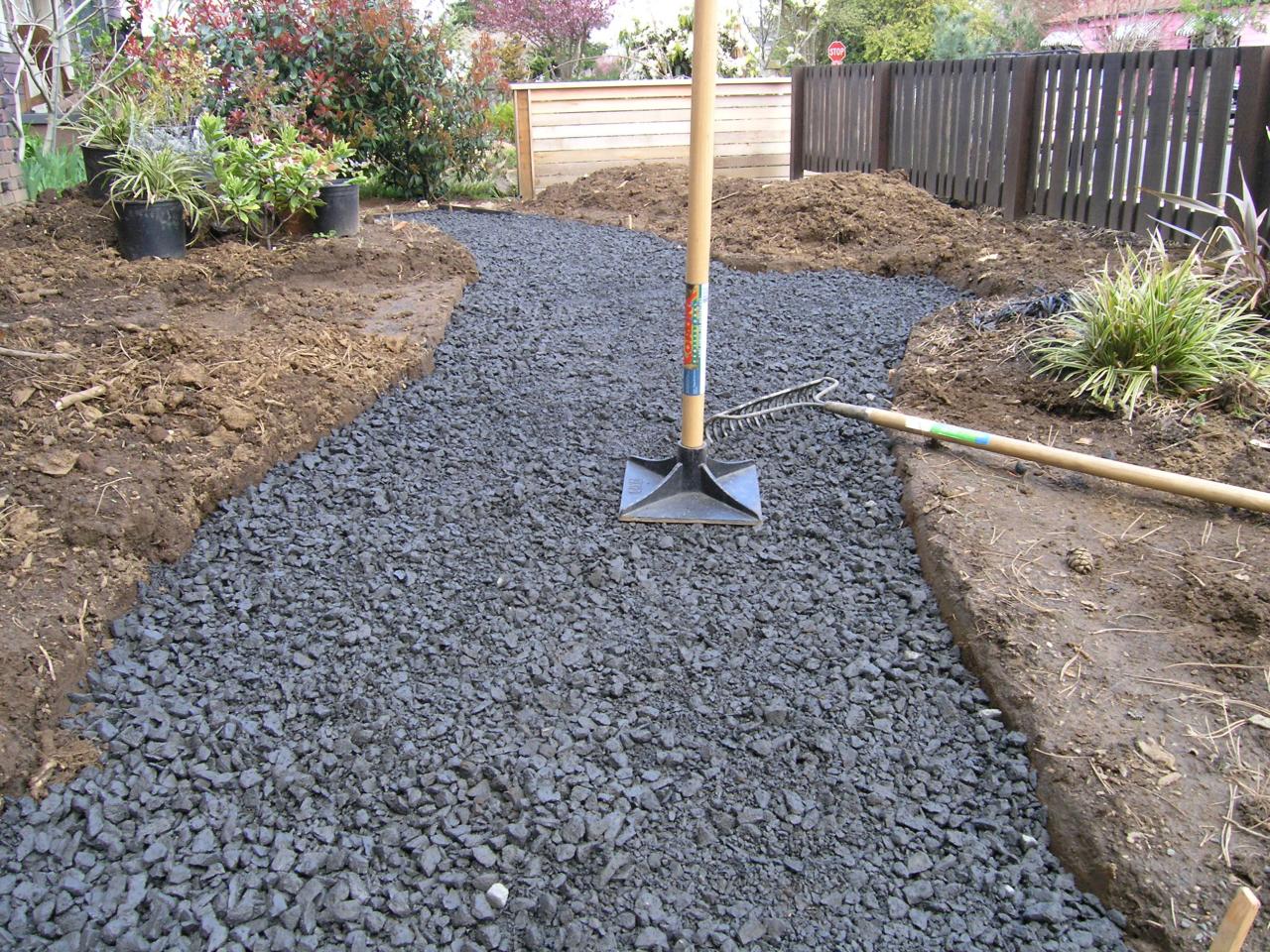
Compacting the soil is crucial for a stable base. This prevents settling and ensures the path remains level over time. Methods include using a hand tamper, a plate compactor (for larger areas), or even a heavy roller (if accessible). Multiple passes are usually necessary to achieve adequate compaction.
Installing Landscape Fabric
Laying landscape fabric prevents weed growth and improves drainage. After compacting the soil, spread the landscape fabric over the path area, ensuring it extends beyond the path’s edges. Overlap the edges to prevent weeds from growing through. Secure the fabric with landscape pins or staples.
Creating a Gravel and Sand Base
Once the landscape fabric is in place, add a layer of crushed gravel (approximately 4-6 inches deep). Level the gravel and compact it using a tamper or compactor. Next, add a 2-3 inch layer of landscape sand on top of the compacted gravel. Level the sand carefully to create a perfectly even base for the flagstones.
Flagstone Laying Techniques
Several methods exist for laying flagstones, each with its advantages and disadvantages. The choice depends on factors such as the desired look, budget, and skill level.
Flagstone Laying Methods
| Method | Description | Advantages | Disadvantages |
|---|---|---|---|
| Dry-laid | Flagstones are placed directly on the sand base without mortar. | Easy installation, allows for natural settling, relatively inexpensive. | Less stable than mortared paths, more prone to shifting, and not suitable for high-traffic areas. |
| Mortar-laid | Flagstones are set in a bed of mortar for added stability. | Very stable, durable, and suitable for high-traffic areas. | More expensive and time-consuming, with less flexibility in design. |
| Combination | Combines dry-laid and mortared techniques; some stones are mortared for stability, and others are dry-laid for a more natural look. | Balances stability and aesthetic appeal. | Requires more skill and planning. |
Cutting Flagstones
Cutting flagstones may be necessary to fit specific spaces. Use a masonry saw with a diamond blade for clean cuts. Always wear safety glasses and a dust mask to protect against flying debris and stone dust. Score the stone multiple times before making a complete cut to prevent chipping.
Achieving a Natural Look
To achieve a natural, meandering look, avoid perfectly straight lines and uniform spacing. Vary the sizes and shapes of the flagstones, and allow for slight gaps between stones. This creates a more organic and less rigid appearance.
Laying Flagstones in a Curved Pattern
Laying flagstones in a curve requires careful planning and execution. Use a flexible string or hose to Articulate the curve before placing the stones. Start at the center of the curve and work outwards, ensuring consistent spacing and a smooth, flowing curve.
Finishing Touches & Maintenance: Laying A Flagstone Path
Finishing touches and regular maintenance are essential for preserving the beauty and longevity of your flagstone path.
Path Borders
Path borders define the path and add a finished look. Three border options include: 1) Brick edging: Provides a clean, defined edge. A detailed description would include the type of brick, the method of laying (e.g., straight, staggered), and the use of mortar. 2) Timber edging: Offers a rustic and natural look. The description would cover the type of wood, treatment for weather resistance, and installation method. 3) Paver edging: Provides a sleek, modern look. The description would include the type of paver, the laying pattern, and the use of mortar or sand.
Filling Gaps Between Flagstones
Filling gaps between flagstones prevents weed growth and stabilizes the path. Sand, gravel, and polymeric sand are common choices. Sand is the most economical, but can wash away; gravel offers better drainage but is less aesthetically pleasing; polymeric sand is the most durable but more expensive.
Maintenance Plan
Regular cleaning is crucial to maintain the path’s appearance. Sweep or blow away leaves and debris regularly. Weed growth should be addressed promptly. Repair any loose or damaged stones as needed. Consider resealing the path every few years to protect it from weathering.
Preventing Weed Growth and Erosion
Regular weeding is essential. Applying a pre-emergent herbicide can help prevent weed growth. To prevent erosion, ensure proper drainage and maintain a level surface. Consider adding additional gravel or sand to areas experiencing erosion.
Variations and Considerations
Source: ytimg.com
Different flagstone types, site conditions, and potential problems influence the overall success of your flagstone path project. This section explores these factors and offers solutions.
Different Types of Flagstone
Bluestone, limestone, and sandstone are popular choices. Bluestone is durable and weather-resistant, ideal for high-traffic areas. Limestone is softer and more porous, requiring more maintenance. Sandstone is visually appealing but can be less durable in harsh climates. The choice depends on the climate, budget, and desired aesthetic.
Laying Flagstone Paths on Slopes
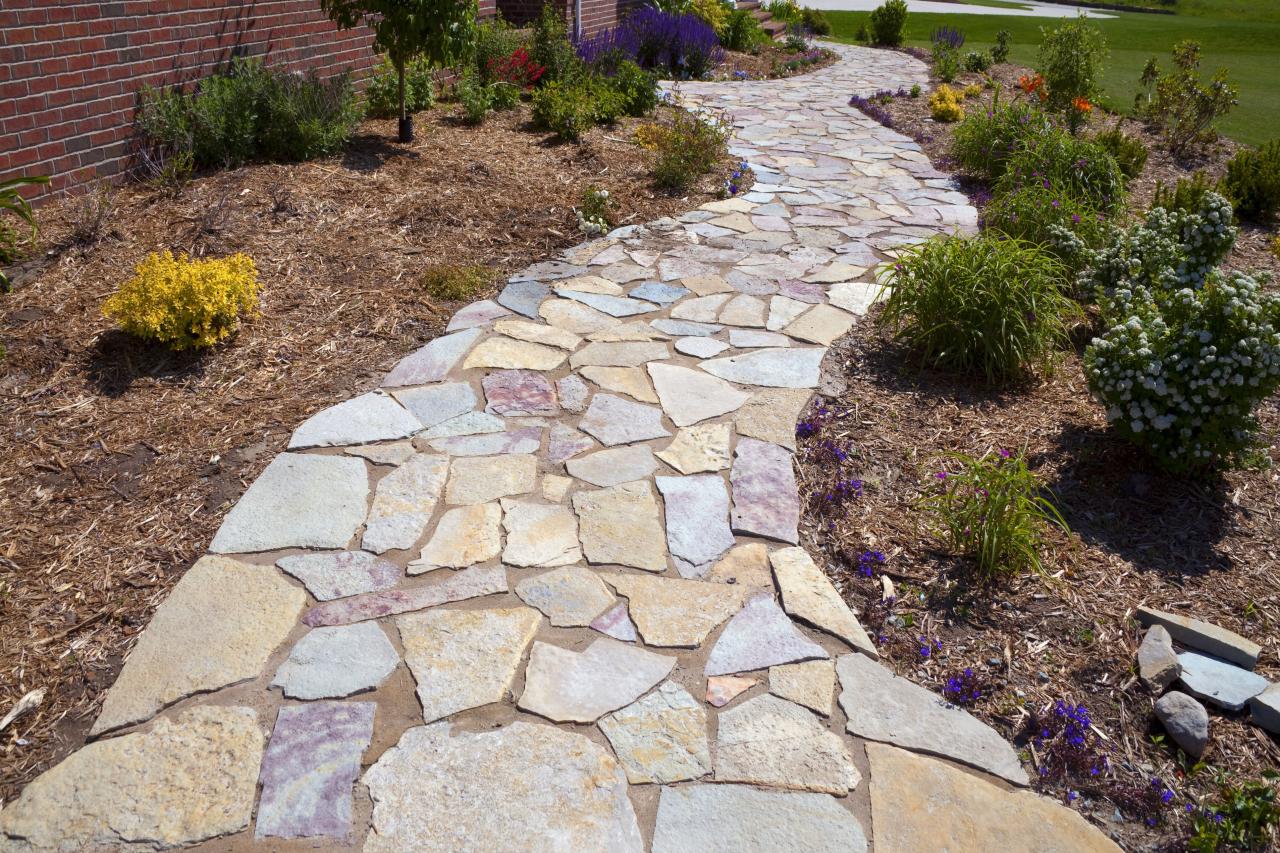
Source: pinimg.com
Laying flagstones on slopes requires additional steps to ensure stability. Terracing or creating retaining walls might be necessary to create level platforms for the path. This involves constructing small walls or steps to create level sections for the flagstone to rest upon. Proper drainage is also crucial to prevent erosion.
Potential Problems and Solutions
Potential problems include uneven settling, weed growth, and erosion. Uneven settling can be addressed by compacting the base properly. Weed growth can be controlled with pre-emergent herbicides and regular weeding. Erosion can be mitigated by ensuring proper drainage and using stabilizing materials.
Flagstone Path Integrated with Landscape Features
Imagine a curved flagstone path leading from a patio to a small water feature, such as a birdbath or a small pond. The path could be bordered by low-growing shrubs and gently curve around a small retaining wall, creating a visually appealing and functional space. The flagstones could be a mix of sizes and colors, adding visual interest. The water feature would serve as a focal point, enhancing the overall design.
Query Resolution
What is the best time of year to lay a flagstone path?
Spring or fall are ideal, offering moderate temperatures and less chance of extreme weather disrupting the process.
How much does it cost to lay a flagstone path?
Costs vary significantly based on flagstone type, path size, labor costs, and materials. Get multiple quotes for accurate pricing.
Can I lay a flagstone path myself?
Yes, with proper planning and preparation, many DIY enthusiasts successfully lay flagstone paths. However, complex designs or large projects might benefit from professional assistance.
How do I prevent erosion around my flagstone path?
Proper grading and the use of retaining walls or edging materials help prevent erosion. Planting drought-tolerant vegetation can also help.
What type of sand is best for filling gaps between flagstones?
Polymeric sand is a popular choice as it hardens over time, preventing weed growth and creating a more stable path.
Comments are closed.