Concrete For Sidewalk
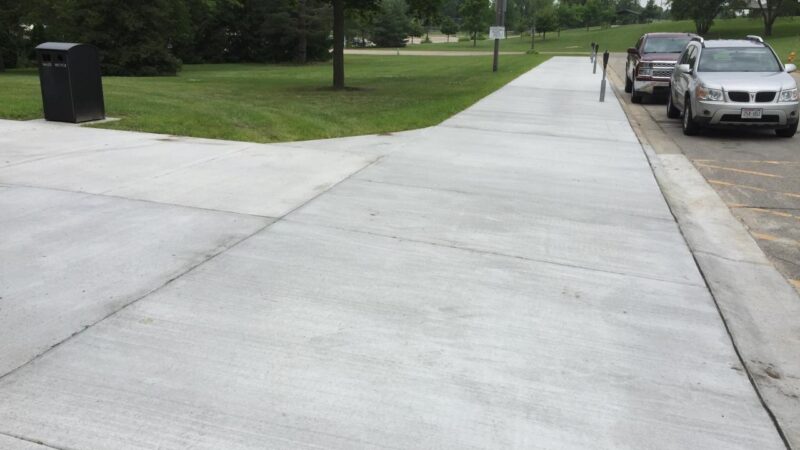
Concrete for sidewalk construction is far more nuanced than simply pouring cement. This guide delves into the intricate details of creating durable and aesthetically pleasing sidewalks, exploring various concrete mixes, construction techniques, and crucial design considerations. From understanding the ideal compressive strength for different climates to mastering finishing techniques and preventative maintenance, we’ll equip you with the knowledge to build or maintain high-quality sidewalks.
We’ll examine the different types of concrete mixes, their cost-effectiveness, and suitability for various traffic loads. The construction process itself will be broken down step by step, emphasizing the importance of proper compaction and curing. Furthermore, we’ll discuss the critical roles of reinforcement and expansion joints in preventing cracking and extending the lifespan of your sidewalk. Finally, we’ll address common problems and their solutions, ensuring your sidewalk remains functional and attractive for years to come.
Types of Concrete for Sidewalks
Source: concretenetwork.com
Choosing the right concrete mix is crucial for creating durable and long-lasting sidewalks. Several factors influence the selection, including anticipated traffic volume, climate conditions, and budget. Different mixes offer varying levels of strength, durability, and cost-effectiveness.
Concrete Mixes for Sidewalks
Several concrete mixes are suitable for sidewalk construction, each with its advantages and disadvantages. The choice depends heavily on the specific project requirements and local conditions.
- Standard Mix: This is a common and cost-effective option, typically composed of a standard ratio of cement, sand, and aggregates. It offers adequate strength for residential areas with moderate foot traffic. However, it may be less durable in areas with heavy traffic or extreme weather conditions.
- High-Strength Mix: This mix uses a higher cement-to-aggregate ratio, resulting in increased compressive strength and durability. It is ideal for high-traffic areas, commercial zones, or locations prone to heavy loads. While more durable, it comes at a higher cost.
- Air-Entrained Concrete: This mix incorporates air-entraining admixtures, creating tiny air bubbles within the concrete. These bubbles improve the concrete’s resistance to freeze-thaw cycles, making it particularly suitable for climates with harsh winters. The added cost is generally modest compared to the increased durability.
- Fiber-Reinforced Concrete: Adding fibers (synthetic or steel) to the concrete mix enhances its tensile strength and crack resistance. This is beneficial in preventing surface cracking, especially in areas with significant temperature fluctuations. The cost is higher than standard mixes, but the added durability often justifies the expense.
Concrete Mix Comparison
Source: richfieldconcrete.com
The following table compares four common concrete mixes, considering their ratios, estimated cost, and suitability for high-traffic areas. Note that costs are estimates and can vary based on location and materials.
| Concrete Mix | Mix Ratio (Cement:Sand: Aggregate) | Estimated Cost per Cubic Yard | Suitability for High-Traffic Areas |
|---|---|---|---|
| Standard | 1:2:3 | $100 – $150 | Low to Moderate |
| High-Strength | 1:1.5:2.5 | $150 – $250 | High |
| Air-Entrained | 1:2:3 (with air-entraining admixture) | $110 – $160 | Moderate to High (especially in cold climates) |
| Fiber-Reinforced | 1:2:3 (with fibers) | $175 – $275 | High |
Compressive Strength Requirements
Source: familyhandyman.com
The ideal compressive strength for sidewalk concrete varies depending on the climate and anticipated load. Colder climates often require higher-strength concrete to withstand freeze-thaw cycles. Generally, a minimum compressive strength of 3000 psi (pounds per square inch) is recommended, but higher strengths (up to 4000 psi or more) may be necessary in areas with heavy traffic or extreme temperature variations.
Sidewalk Construction Process
Building a durable sidewalk involves several key steps, from site preparation to finishing and curing. Proper techniques are crucial for ensuring a long-lasting and aesthetically pleasing result.
Step-by-Step Sidewalk Construction
- Site Preparation: This involves excavating the area to the required depth, removing any vegetation or debris, and compacting the subgrade to provide a stable base. Proper grading is essential to ensure proper drainage.
- Formwork Construction: Wooden forms or metal forms are used to create the desired shape and dimensions of the sidewalk. These forms must be sturdy and properly aligned to prevent concrete from spilling or shifting during pouring.
- Concrete Pouring: The concrete is poured into the forms, ensuring even distribution and avoiding segregation of the mix components. Vibrating the concrete helps to remove air pockets and ensure proper compaction.
- Finishing Techniques: After pouring, the concrete surface is finished using techniques like screeding, floating, and troweling to achieve a smooth and even surface. Brooming can create a textured surface for improved slip resistance.
- Compaction and Curing: Proper compaction removes air pockets and ensures the concrete’s strength. Curing involves keeping the concrete moist for several days to allow it to hydrate properly and achieve its design strength. This typically involves covering the concrete with plastic sheeting or applying curing compounds.
Visual Representation of Sidewalk Construction
- Excavation and Compaction of Subgrade
- Installation of Forms
- Concrete Pouring and Vibration
- Screeding and Floating
- Troweling and Texturing (Brooming)
- Curing and Protection
Preventing Common Issues
Cracking and settling are common problems in sidewalk construction. These can be minimized by ensuring proper subgrade compaction, using adequate reinforcement, and incorporating expansion joints to accommodate thermal movement. Careful attention to the curing process is also crucial in preventing premature cracking.
Reinforcement and Expansion Joints: Concrete For Sidewalk
Reinforcement and expansion joints are essential elements in sidewalk design, significantly impacting their longevity and preventing damage from environmental factors and stresses.
The Role of Reinforcement, Concrete for Sidewalk
Reinforcement materials enhance the tensile strength of concrete, which is particularly important for resisting cracking due to shrinkage, temperature changes, and external loads. Common reinforcement methods include rebar (steel reinforcing bars) and fiber reinforcement (synthetic or steel fibers mixed into the concrete).
Expansion Joints: Purpose and Placement
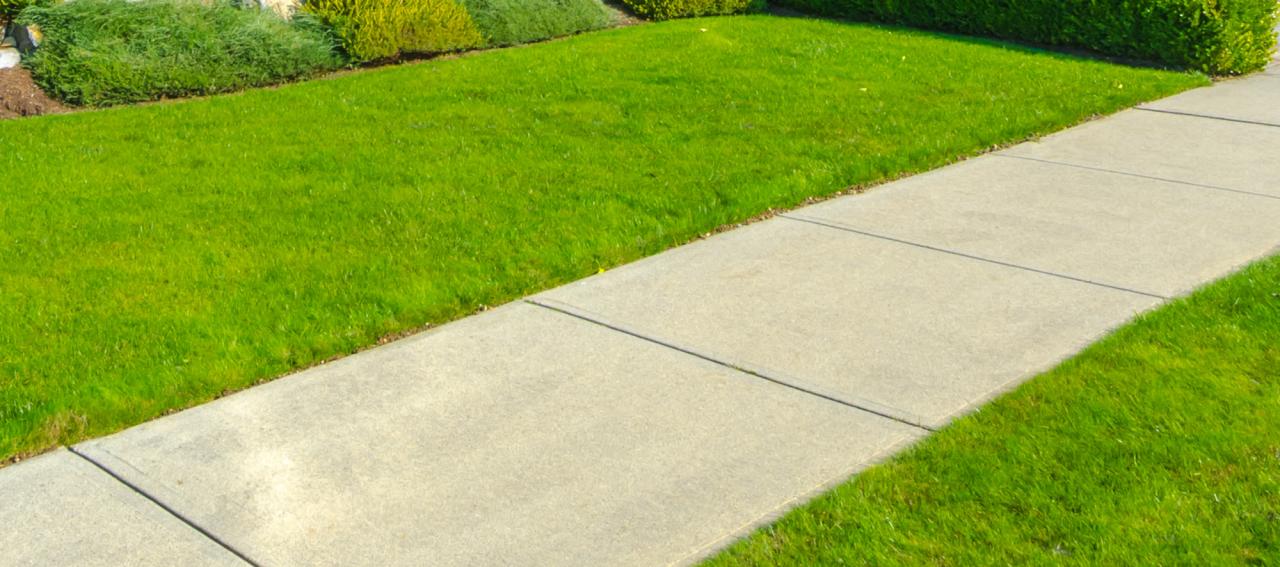
Expansion joints are gaps incorporated into the sidewalk to accommodate the expansion and contraction of the concrete due to temperature fluctuations. These joints prevent the build-up of stress that can lead to cracking. They are typically placed at regular intervals, depending on the sidewalk length and climate.
Expansion Joint Designs
- Preformed Joints: These are manufactured joint fillers inserted into the concrete during pouring. They provide a clean, defined separation.
- Sawed Joints: These joints are created by cutting the concrete after it has cured, using a saw with a diamond blade. This method allows for precise placement of the joints.
Effectiveness of Reinforcement Methods
Both rebar and fiber reinforcement are effective in preventing cracking, but their applications differ. Rebar is more suitable for larger cracks and heavier loads, while fiber reinforcement provides distributed crack control and is particularly effective in preventing surface cracking.
Finishing and Surface Treatments
Finishing techniques and surface treatments significantly impact the sidewalk’s appearance, durability, and slip resistance. Careful selection is important for creating a functional and aesthetically pleasing surface.
Sidewalk Finishing Techniques
- Brooming: This creates a textured surface, improving slip resistance, especially in wet conditions.
- Floating: This smooths the concrete surface, creating a relatively level finish.
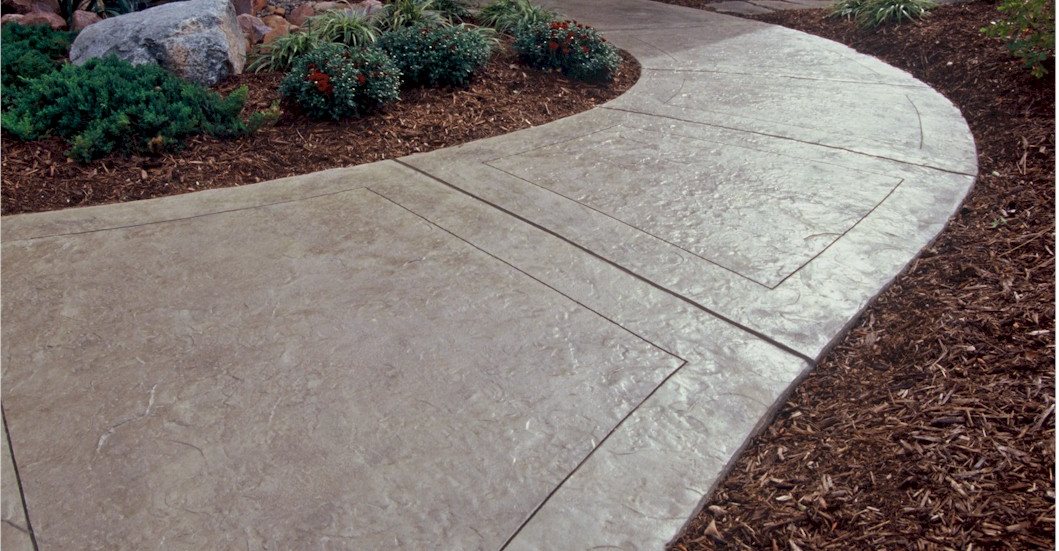
- Stamping: This technique imprints patterns onto the concrete, enhancing its aesthetic appeal.
Common Surface Treatments
Surface treatments protect the concrete from damage and enhance its appearance. They also improve the sidewalk’s resistance to staining, weathering, and wear.
- Sealers: These protect the concrete from water damage and enhance its color.
- Stains: These add color and texture to the concrete surface.
Properties of Surface Treatments
| Surface Treatment | Properties | Applications |
|---|---|---|
| Sealers | Water-repellent, enhances color | Protection from water damage, improved appearance |
| Stains | Adds color and texture | Aesthetic enhancement creates a unique look |
Sidewalk Design Considerations
Source: rrwalton.com
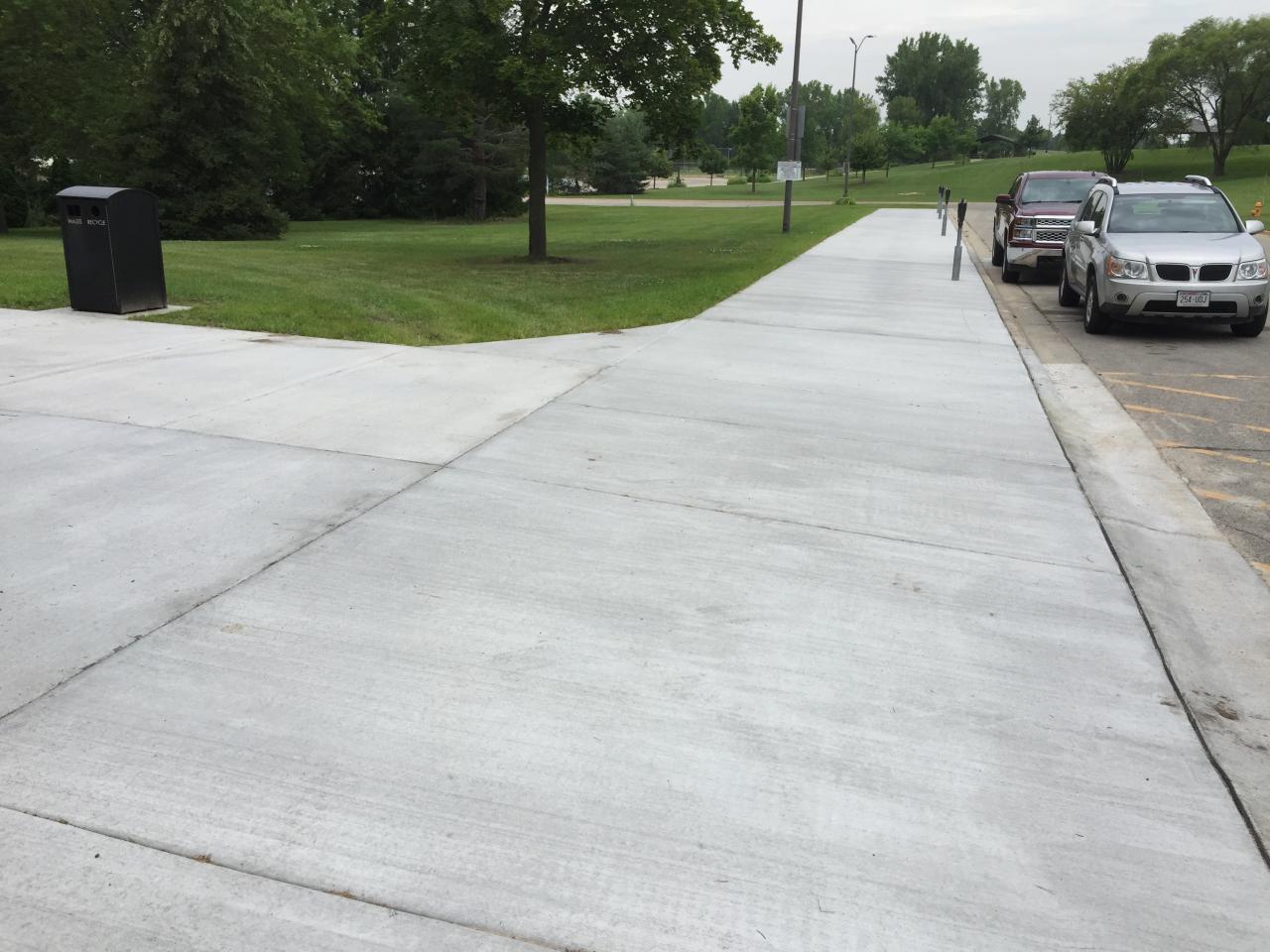
Effective sidewalk design considers various factors to ensure functionality, accessibility, and durability. These factors interact to influence the overall success of the project.
Factors in Sidewalk Design
- Slope: A slight slope is necessary to ensure proper drainage and prevent water accumulation.
- Width: The width should accommodate the expected pedestrian traffic and comply with accessibility standards.
- Accessibility: Sidewalks must comply with ADA (Americans with Disabilities Act) guidelines to ensure accessibility for people with disabilities.
Sidewalk Designs for Various Contexts
- Residential: Typically narrower and simpler designs are sufficient.
- Commercial: Wider sidewalks with potentially more complex designs may be necessary to accommodate higher traffic volumes.
- Pedestrian Walkways: These may incorporate features like benches, landscaping, and lighting.
ADA Compliance
ADA compliance is crucial to ensure that sidewalks are accessible to people with disabilities. This includes providing ramps with appropriate slopes, detectable warnings at crosswalks, and ensuring adequate width for wheelchair access.
Impact of Environmental Factors
Environmental factors, such as freeze-thaw cycles and heavy rainfall, significantly impact sidewalk design and material selection. Air-entrained concrete is often preferred in climates with frequent freeze-thaw cycles to mitigate damage from ice expansion.
Common Sidewalk Problems and Solutions
Several issues can arise during sidewalk construction and maintenance. Understanding these problems and their solutions is vital for ensuring the longevity of the sidewalk.
Common Sidewalk Problems and Their Solutions
| Problem | Solution | Preventative Measures |
|---|---|---|
| Cracking | Repair with patching compound or replacement sections | Proper reinforcement, expansion joints, and curing |
| Spalling | Repair with patching compound or replacement sections | Use of high-quality concrete, proper curing |
| Uneven Surfaces | Grinding or replacement | Proper compaction and finishing techniques |
Key Questions Answered
What is the typical lifespan of a concrete sidewalk?
With proper construction and maintenance, a concrete sidewalk can last 20-30 years or even longer.
How often should I seal my concrete sidewalk?
Sealing frequency depends on climate and traffic, but every 2-3 years is generally recommended.
Can I pour concrete over an existing sidewalk?
It’s generally not recommended unless the existing sidewalk is in extremely poor condition. Repairing the existing surface is usually more cost-effective.
What is the best time of year to pour a concrete sidewalk?
Temperatures between 50-70°F (10-21°C) are ideal. Avoid extremely hot or cold weather.
How much does it cost to install a concrete sidewalk?
The cost varies significantly based on size, location, materials, and labor costs. It’s best to obtain multiple quotes from contractors.
Comments are closed.