Laying A Paver Walkway

Laying a paver walkway transforms any outdoor space, adding both beauty and functionality. This guide provides a step-by-step approach to creating a stunning walkway, from initial planning and design to the final finishing touches and ongoing maintenance. We’ll explore various design options, material choices, and installation techniques, empowering you to build a durable and aesthetically pleasing walkway that enhances your property for years to come. This comprehensive guide covers everything from choosing the right pavers and base materials to mastering essential techniques like cutting pavers and ensuring proper compaction. We’ll also address common challenges and provide solutions to ensure a successful project.
Planning & Design
Careful planning and design are crucial for a successful paver walkway project. This section Articulates the key steps involved in creating a visually appealing and durable walkway, from initial layout to material selection.
Paver Walkway Layout and Materials List
For a 10ft x 20ft area, a design incorporating both straight sections and gentle curves can create visual interest. One possible layout could feature a 10ft wide straight entrance leading to a gently curving path through the remaining 10ft x 10ft space. This design maximizes space while adding aesthetic appeal. The materials listed below are estimates and will vary based on specific design choices and site conditions.
- Pavers: Approximately 200 square feet (adjust based on chosen paver size and pattern)
- Base Gravel: Approximately 4 cubic yards
- Sand (base and jointing): Approximately 1 cubic yard
- Edging Material: (e.g., concrete, plastic, metal) Sufficient length to border the entire walkway
- Compaction Tools: Plate compactor or hand tamper
- Excavation Tools: Shovel, rake, level
- Measuring Tools: Tape measure, string line, level
- Cutting Tools: Masonry saw or a brick chisel and hammer (for cutting pavers)
- Joint Sand: (e.g., polymeric sand)
Ground Preparation for a Paver Walkway
Proper ground preparation is vital for a long-lasting walkway. This involves careful excavation, leveling, and compaction to ensure a stable base.
- Excavation: Dig a trench to a depth of approximately 6-8 inches, ensuring a consistent depth across the entire area. The exact depth will depend on the chosen base material and paver thickness.
- Leveling: Use a rake and level to create a perfectly flat and even base. This is critical for a level and stable walkway.
- Compaction: Compact the base thoroughly using a plate compactor or hand tamper to achieve a firm and stable foundation. Multiple passes may be necessary to achieve optimal compaction. Ensure that compaction is even across the entire area.
- Base Material Installation: Spread a layer of base gravel (typically 4 inches) evenly over the compacted sub-base and compact again.
- Sand Layer: Add a layer of sand (typically 1-2 inches) on top of the compacted gravel. Level the sand carefully and compact it gently to provide a smooth surface for the pavers.
Paver Walkway Design Options
Three distinct design options are presented below, showcasing the versatility of pavers.
| Design | Paver Type | Pattern | Estimated Cost (USD) |
|---|---|---|---|
| Classic Straight | Concrete Pavers | Running Bond | $500 – $800 |
| Curved Elegance | Natural Stone Pavers | Herringbone | $800 – $1500 |
| Modern Mosaic | Clay Pavers (multiple colors) | Basketweave | $700 – $1200 |
Materials & Tools
Selecting the right materials and tools is essential for a smooth and efficient installation process. This section details the necessary items, categorized for clarity, and compares different paver types and base materials.
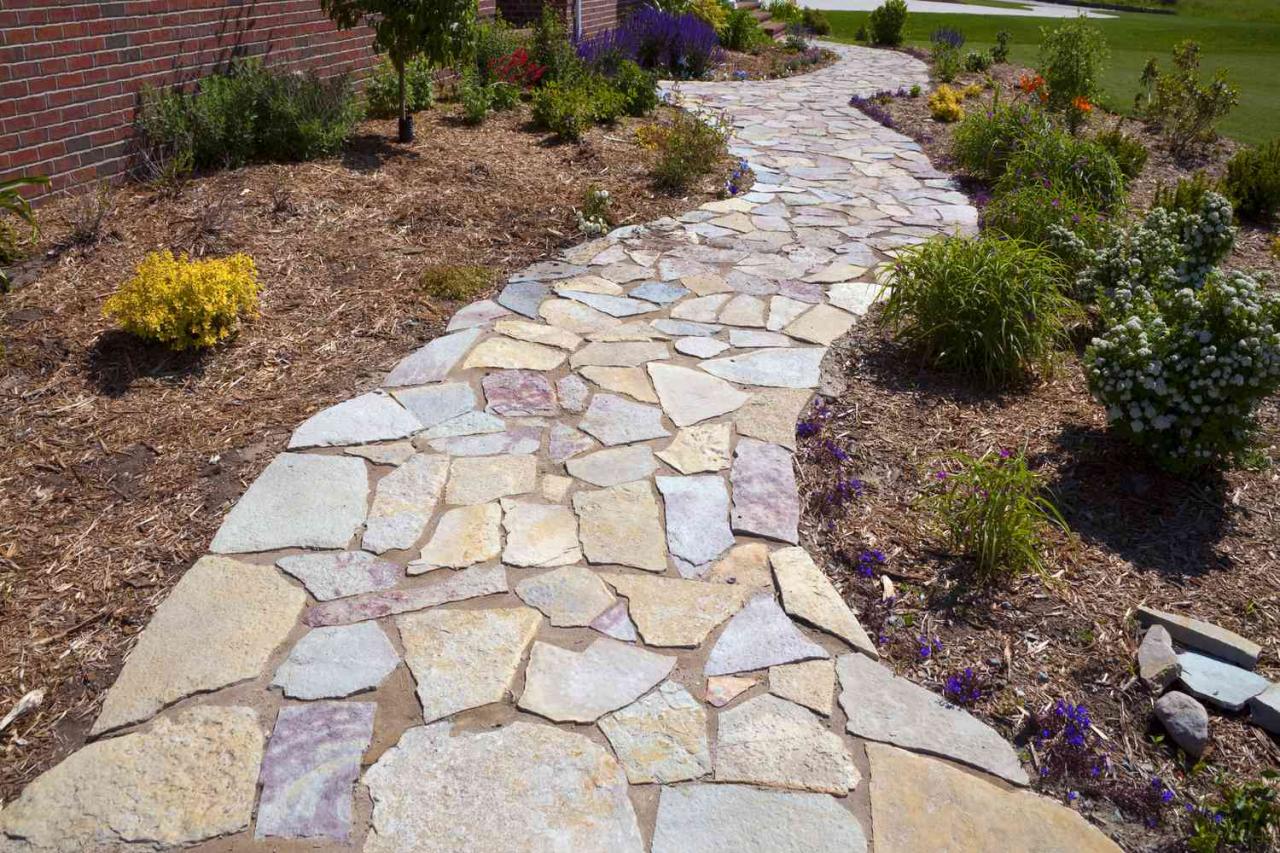
Necessary Tools and Materials
Source: thespruce.com
The following list categorizes the tools and materials needed for laying a paver walkway. Remember to adjust quantities based on the walkway’s size and design.
- Excavation: Shovel, rake, wheelbarrow, level
- Laying: Tape measure, string line, rubber mallet, paver saw (or chisel and hammer)
- Compaction: Plate compactor or hand tamper
- Edging: Edging materials (concrete, plastic, metal), stakes, mallet
- Materials: Pavers, base gravel, sand (base and jointing), jointing sand
Comparison of Paver Types
Three common paver types are compared below, highlighting their strengths and weaknesses.
- Concrete Pavers:
- Pros: Durable, affordable, wide variety of colors and styles
- Cons: Can crack under heavy loads, less aesthetically pleasing than natural stone
- Natural Stone Pavers:
- Pros: Beautiful, durable, unique appearance
- Cons: Expensive, can be more difficult to install, requires sealing
- Clay Pavers:
- Pros: Porous, allows for good drainage, aesthetically pleasing
- Cons: Can be more fragile than concrete or natural stone, may require more maintenance
Characteristics of Suitable Base Materials
Source: pinimg.com
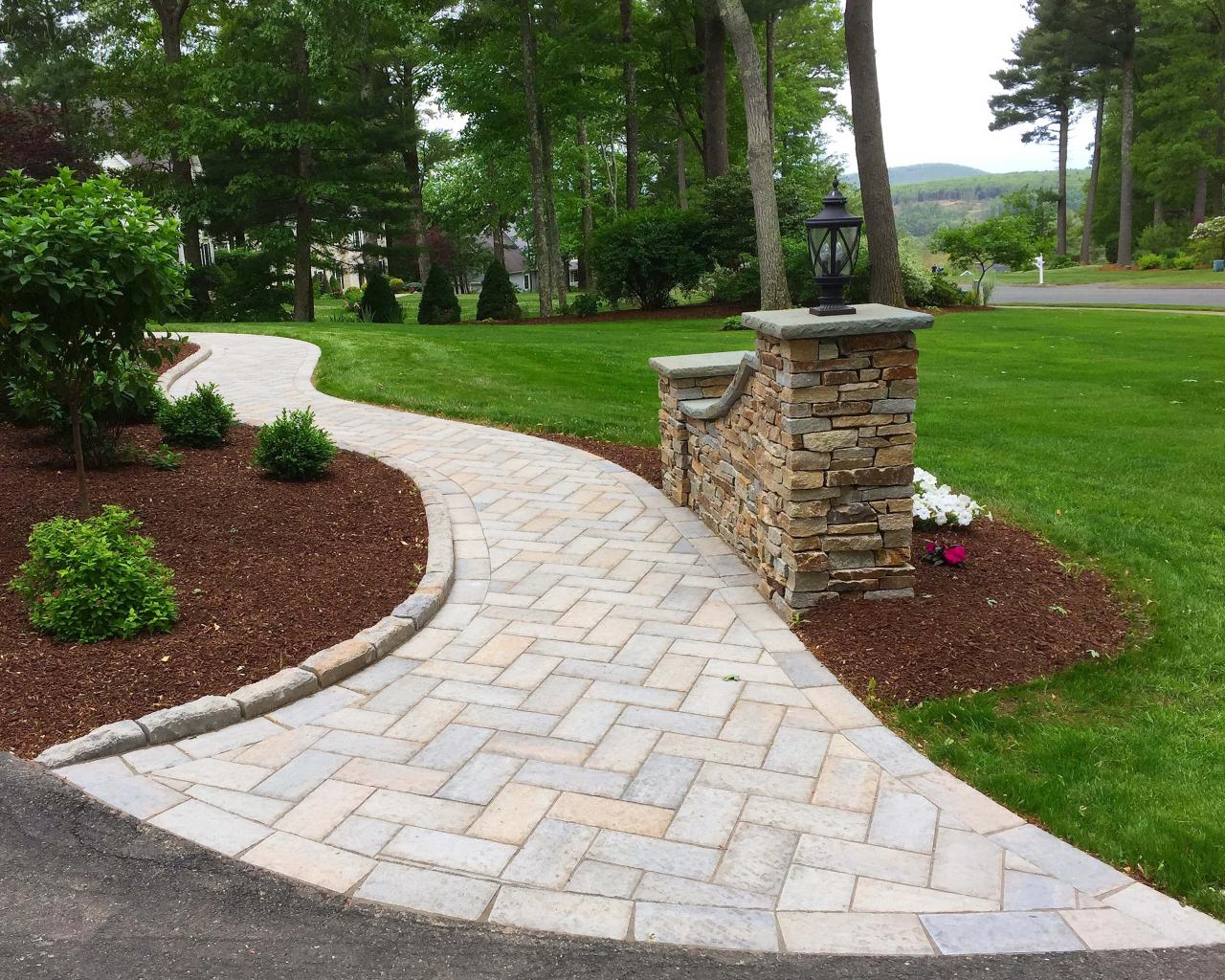
The choice of base material significantly impacts drainage and the walkway’s longevity. Gravel and sand are common choices, each with its characteristics.
- Gravel: Provides excellent drainage and stability. A well-compacted gravel base helps prevent settling and ensures a level walkway.
- Sand: Creates a smooth surface for paver installation. It’s important to use a well-graded sand that compacts well. The choice between gravel and sand or a combination will depend on soil conditions and drainage needs.
Installation Process
The installation process involves a series of steps, from base preparation to final compaction. Proper techniques at each stage ensure a durable and attractive walkway.
Steps in Laying Pavers
Follow these steps for a successful paver installation.
- Prepare the base as described in the previous section.
- Install edging materials to create a neat and defined border.
- Begin laying pavers, starting from a straight edge and working outwards. Use a rubber mallet to gently tap pavers into place, ensuring they are level and flush with each other.
- Compact the pavers periodically using a plate compactor or hand tamper. This ensures a stable and level surface.
- Cut pavers as needed to fit around curves and obstacles using a paver saw or a brick chisel and hammer.
- Apply joint sand, sweeping it into the gaps between pavers. Use a broom to ensure even distribution.
- Compact the joint sand using a plate compactor or hand tamper. This locks the pavers in place and prevents shifting.
Importance of Compaction
Compaction is crucial at each stage. Insufficient compaction can lead to settling, unevenness, and damage to the walkway. Illustrations would show the use of a plate compactor for large areas and a hand tamper for smaller areas or around edges.
Cutting Pavers
Cutting pavers requires care to avoid chipping or cracking. A masonry saw provides clean cuts, while a chisel and hammer can be used for more intricate cuts. Always score the paver before breaking it to ensure a clean break.
Finishing Touches & Maintenance
Attention to detail in finishing and regular maintenance will extend the life of your paver walkway.
Creating a Neat Edge
Source: dreamstime.com
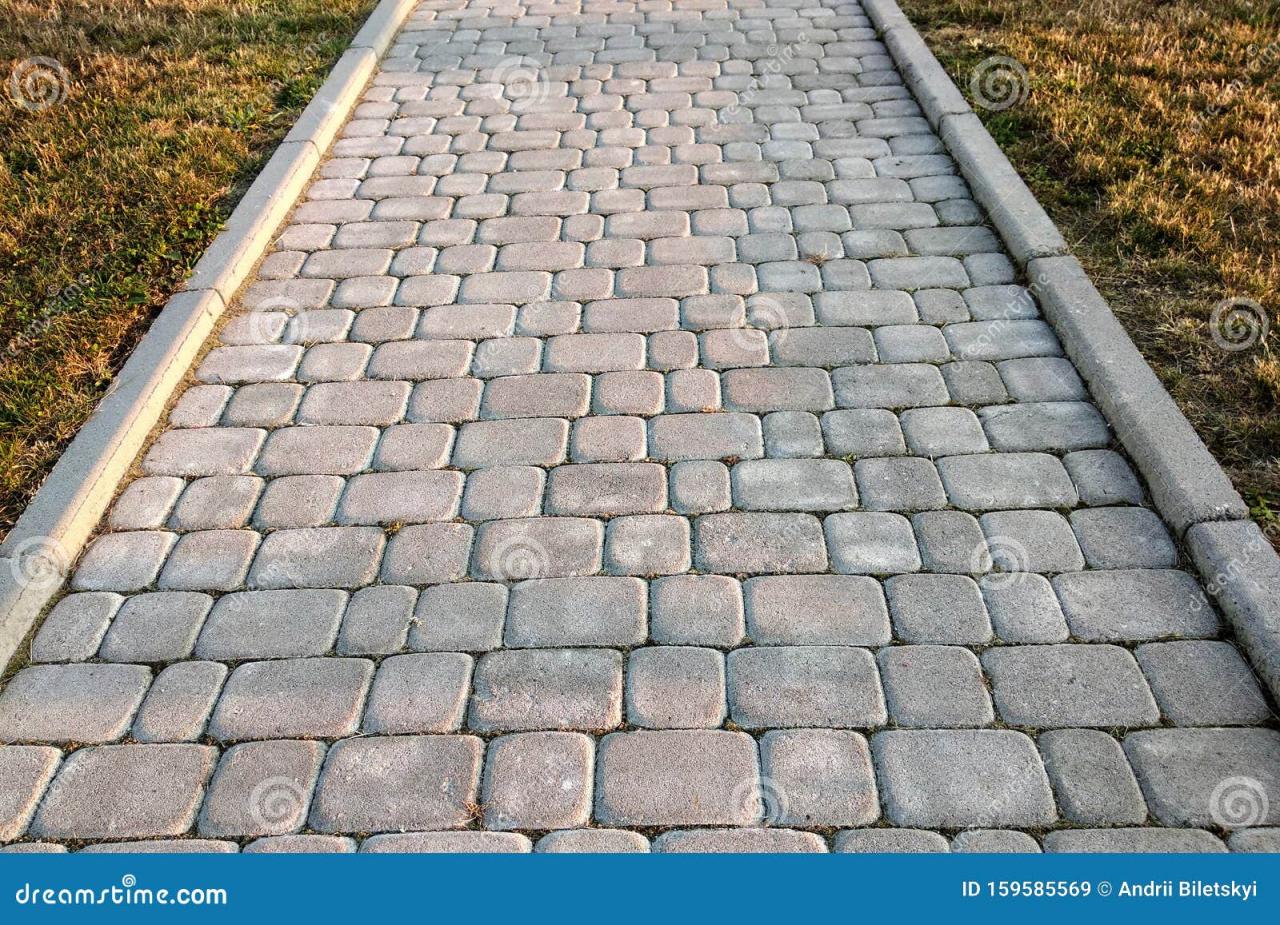
Several edging materials can be used to create a professional finish. Concrete edging provides a strong and durable border, while plastic or metal edging offers more flexibility and is often easier to install. The choice depends on personal preference and budget.
Applying and Compacting Joint Sand
Joint sand fills the gaps between pavers, preventing weeds and stabilizing the walkway. Polymeric sand is preferred for its superior strength and weed-resistant properties. Proper compaction is essential to lock the pavers in place and prevent shifting. This involves sweeping the sand into the joints and then compacting it thoroughly.
Preventative Maintenance
Regular cleaning and weed control are crucial for maintaining the appearance and longevity of the walkway. Regular sweeping will remove debris and prevent the buildup of dirt and grime. Herbicides or manual weeding can control weed growth. Power washing can be used for more thorough cleaning, but be cautious not to damage the pavers.
Troubleshooting & Problem Solving: Laying A Paver Walkway
Anticipating potential problems and having solutions readily available can save time and effort. This section addresses common issues encountered during paver installation and repair.
Potential Problems and Solutions, Laying a paver walkway
| Problem | Cause | Solution | Prevention |
|---|---|---|---|
| Uneven Pavers | Insufficient compaction of the base | Remove and re-lay the pavers, ensuring proper compaction of the base | Thorough compaction at each stage of installation |
| Cracked Pavers | Heavy loads, frost heave, poor quality pavers | Replace the damaged pavers | Choose high-quality pavers, ensure proper base preparation, and consider using frost-resistant pavers in colder climates. |
| Weed Growth | Insufficient joint sand, gaps between pavers | Apply joint sand and compact thoroughly | Use polymeric sand and ensure proper compaction |
| Poor Drainage | Improper grading, insufficient base material | Re-grade the area to ensure proper drainage, add additional base material | Ensure proper grading and adequate base material during installation |
Repairing Damaged Pavers
Source: pinimg.com
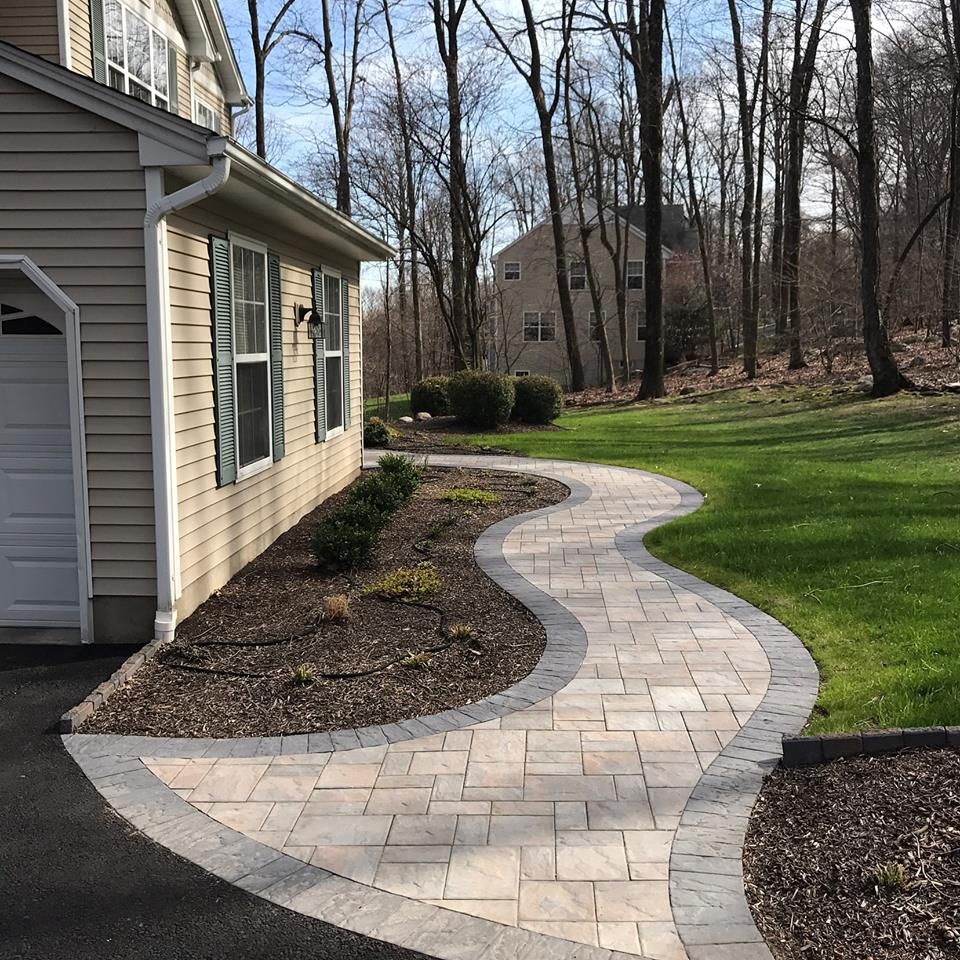
Damaged or uneven pavers can be repaired by carefully removing the affected paver, preparing the base underneath, and installing a new paver. Ensure proper compaction and joints to maintain the integrity of the walkway.
Impact of Poor Drainage
Poor drainage can lead to settling, frost heave, and damage to the pavers. Strategies for improving drainage include ensuring proper grading, using a well-draining base material, and incorporating drainage solutions such as gravel trenches or perforated pipes.
Questions and Answers
What is the best time of year to lay a paver walkway?
Spring or fall are generally ideal, as the ground is neither frozen nor excessively hot and dry. Avoid laying pavers during periods of extreme weather.
How much does it cost to lay a paver walkway?
The cost varies significantly depending on the size of the walkway, the type of pavers chosen, and labor costs. Getting multiple quotes from contractors is recommended.
How long does a paver walkway last?
With proper installation and maintenance, a paver walkway can last for decades. The longevity depends on the quality of the materials and the base preparation.
Can I lay a paver walkway myself?
Yes, many DIY enthusiasts successfully lay paver walkways. However, if you lack experience, it’s wise to consider professional help, especially for larger or complex projects.
What type of joint sand is best for paver walkways?
Use polymeric sand for superior strength and weed prevention. It’s more expensive but offers long-term benefits.
Comments are closed.